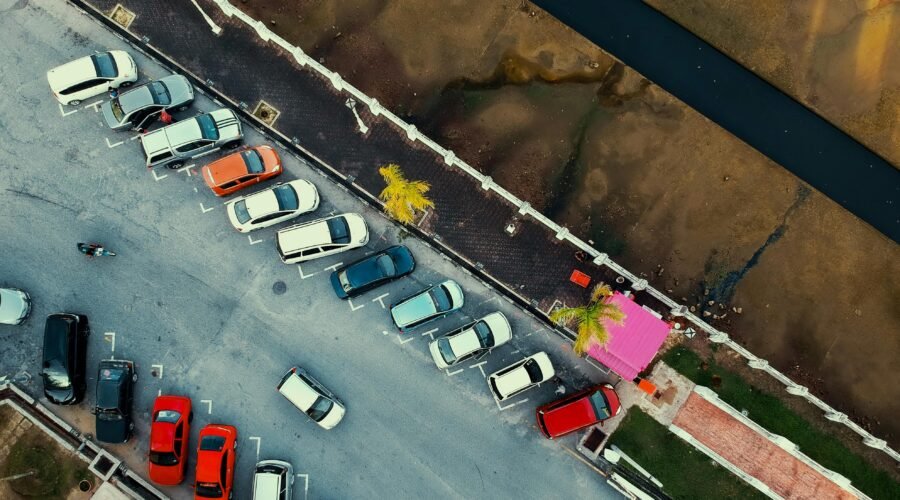
Dehradun had over 1.05 million registered vehicles as of April 2025. The city has 17 public transport seats for every 1,000 residents, and most of those are autorickshaws and Vikrams with three to seven seats. By urban transport standards, a city of Dehradun’s size and density should have between 30 and 50 seats of public capacity per 1,000 people. The gap between what exists and what is needed is not marginal. Dehradun public transport has failed not because of a single bad decision but because of a consistent pattern: private vehicles were accommodated, public services were not invested in, and the political cost of building bus frequency was treated as higher than the social cost of forcing people onto motorcycles.
Dehradun Public Transport: The Numbers
| Metric | Dehradun (2025) | Recommended Standard |
|---|---|---|
| Registered vehicles | 1.05 million | N/A |
| Public transport seats per 1,000 residents | 17 | 30 to 50 |
| City bus fleet (Dehradun City Bus Service) | ~60 buses | 300+ for a city this size |
| Share of trips by public transport | ~12% | 40%+ in well-served cities |
| Two-wheeler share of registered vehicles | ~68% | N/A |
| Annual vehicle growth rate | ~8 to 10% | N/A |
Why the System Broke Down
Dehradun public transport has three structural problems that compound each other. First, the city has no rail-based rapid transit. The proposed metro project has been under study since 2018 and no civil work has begun as of early 2026. Second, the city bus fleet is too small and too infrequent. Routes cover main corridors but miss the residential density in areas like Patel Nagar, Majra, and Sewla Kalan where working-class commuters live. Third, road infrastructure has been built to prioritise vehicle throughput, not pedestrian and transit access. Wide arterial roads with no shaded walkways and few bus shelters make walking to a stop uncomfortable for most of the year.
According to a report by Down to Earth, private vehicle ownership in Dehradun grew faster than in most comparable Indian cities between 2015 and 2024. That growth happened in a policy vacuum: no congestion pricing, no parking demand management, no meaningful investment in bus frequency. The result is a city where the median commuter drives a two-wheeler not by preference but because the alternative is unreliable.
Policy Failures: A Comparison
| Policy Area | What Dehradun Has Done | What Works in Other Cities |
|---|---|---|
| Bus frequency | 60 buses, infrequent routes | Pune: 1,500+ buses, 10-min frequency on key routes |
| Rapid transit | Metro proposed 2018, no civil work started | Lucknow: metro operational since 2017 |
| Pedestrian infrastructure | Minimal shaded footpaths | Chandigarh: dedicated pedestrian zones in sector design |
| Congestion pricing | None | London, Singapore: proven demand reduction |
| Parking policy | Free or subsidised parking in central areas | Mumbai: parking limits in CBD to reduce car use |
The Smart Cities Mission Gap
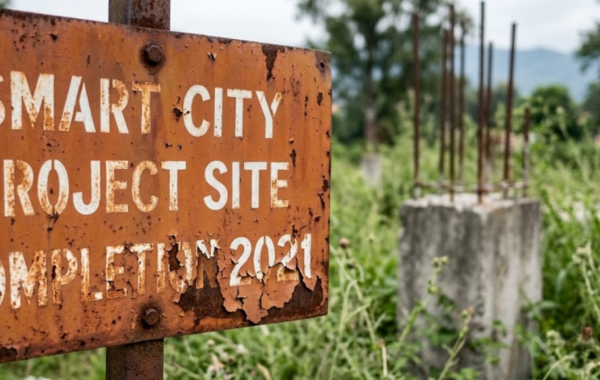
Dehradun was selected under the Smart Cities Mission in 2017. The mission’s stated focus includes public transport and multi-modal connectivity. Nearly a decade later, the city bus service is underfunded, the Vikram tempo sector still runs with vehicles that are 20 to 25 years old, and no integrated ticketing system exists across modes. Smart Cities funding went primarily to road-widening and surveillance infrastructure. Those investments do not move people; they move cars faster until more cars arrive to fill the space. For more context on how urban planning decisions shape the city’s daily life, read our opinion coverage on Dehradun and also our Dehradun area guide for how residents actually navigate the city.
What Would Actually Fix This
The fix for Dehradun public transport is not complicated. It is politically difficult and requires sustained budget commitment. A doubling of the city bus fleet with 15-minute frequencies on eight to ten key corridors would cost roughly Rs 120 to 150 crore per year including operations. That is less than 5 percent of the city’s annual infrastructure budget. Covered bus shelters with real-time arrival displays, integrated autorickshaw-to-bus feeder routes, and a single mobile payment system would make the network usable within 18 to 24 months. The Smart Cities Mission framework and central government FAME subsidies for electric buses provide ready funding mechanisms. What Dehradun lacks is not money or a technical solution. It lacks a decision to prioritise transit users over vehicle owners.
Final Thought
Dehradun public transport is a political choice, not a resource constraint. Every year the city delays a serious investment in buses and pedestrian infrastructure, it adds to a congestion and pollution debt that costs residents far more in time, health, and productivity than the investment would have. If you live in Dehradun and spend 40 minutes on a scooter for a commute that should take 15 minutes on a reliable bus, the policy failure is costing you directly. The question is whether there is enough political pressure to change the calculation.



Leave a Reply