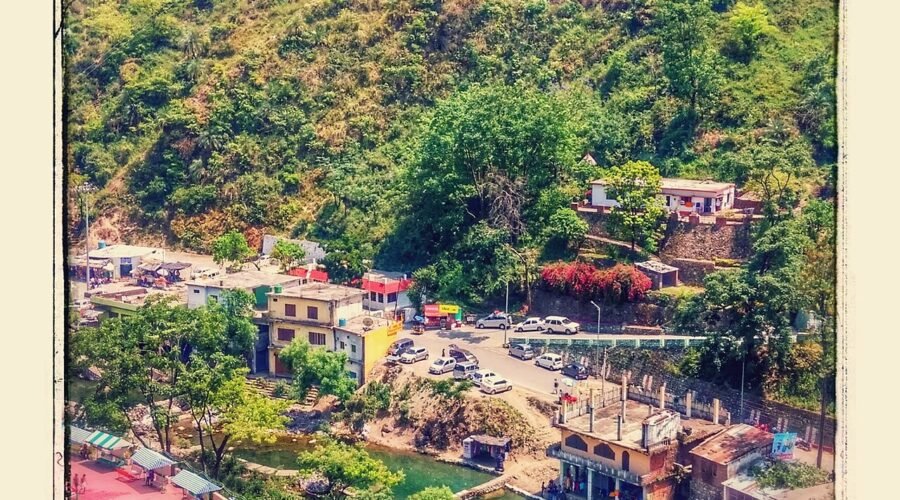
The map of rising property prices in Dehradun has shifted in the last three years. Areas that sat outside most buyers’ searches are now some of the most expensive per square foot in the city, and a few once-quiet stretches are seeing year-on-year price growth that beats most metro suburbs. This guide names the neighbourhoods where rising property prices in Dehradun are most concentrated right now, what is pulling buyers in, and what you should know before committing to a flat or plot in any of them.
Sahastradhara Road: The Premium Corridor
Sahastradhara Road has become the clearest example of rising property prices in Dehradun. Per-sqft rates on this stretch sit between Rs.5,450 and Rs.5,900 for ready-to-move flats and even higher for plots inside gated layouts. Demand here is driven by three things: proximity to the IT Park at the eastern end, the spread of premium hospitals like Max along the corridor, and the road improvements that cut commute times to the city centre. Buyers in this pocket are typically families with two earners, NRIs sending remittances back, and senior citizens looking to retire in cleaner air. According to market data on Dehradun real estate trends, this corridor saw price growth touching 70 percent over the last few years.
Mussoorie Road: The Foothills Premium
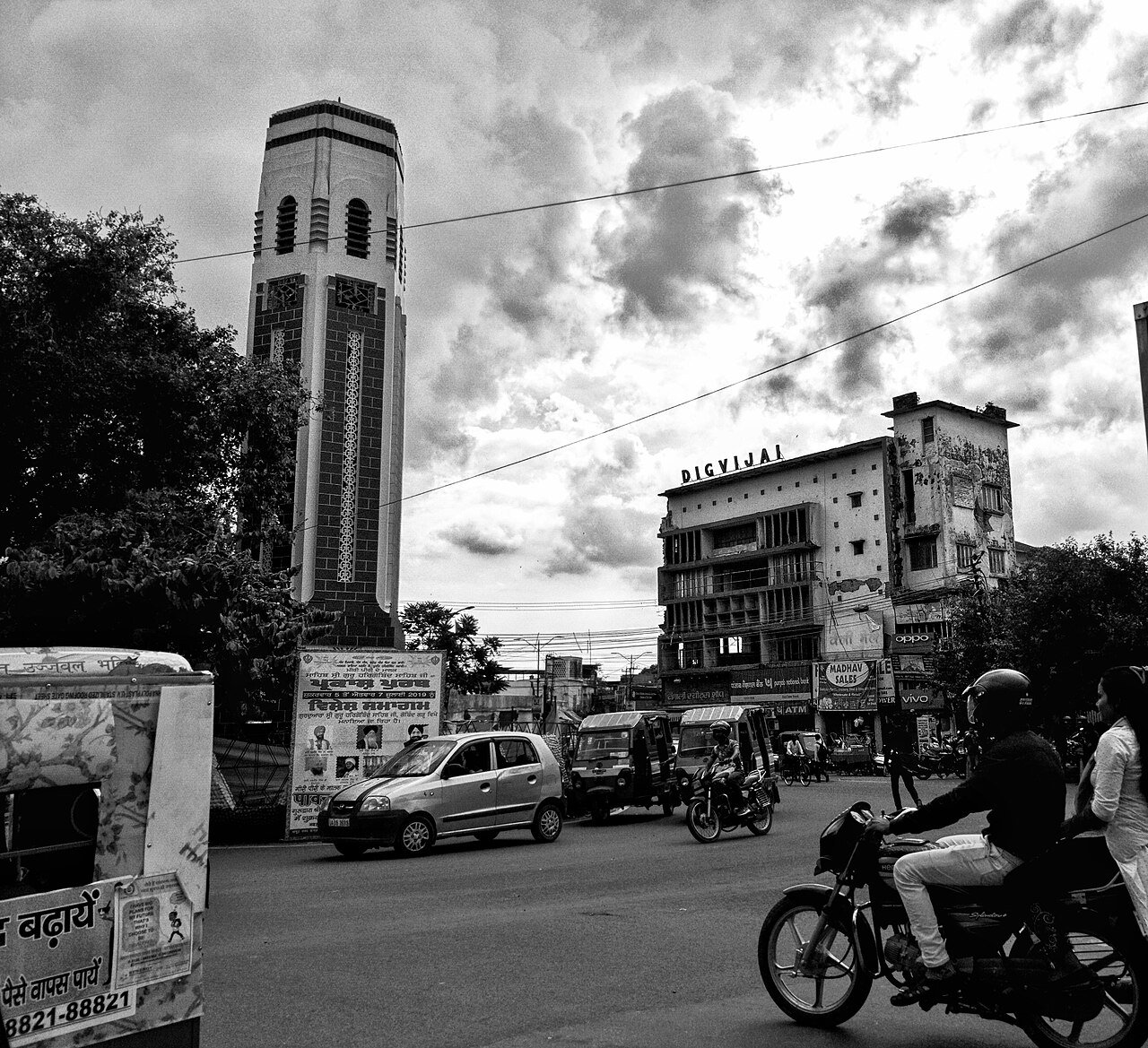
The Mussoorie Road belt, especially the stretch from Kuthal Gate up to the start of the climb, has seen some of the sharpest price jumps. Builders are putting up boutique villa projects and small-floor apartments aimed at buyers who want hill views without moving up to Mussoorie itself. Rates here range from Rs.4,800 to Rs.6,200 per sqft, with the higher end being projects that include private balconies overlooking the valley. The demand pattern here is more lifestyle-led than utility-led, which makes prices vulnerable to shifts in the second-home market.
Rajpur Road and the Stretch Beyond
Rajpur Road itself was always expensive, but the stretch beyond Jakhan and into Old Rajpur is where new growth is happening. This is the part of Rajpur Road where the older bungalow plots are being subdivided into 2,500 to 4,000 sqft flat plots and sold to buyers who want a Rajpur Road address without a Rajpur Road price tag. Per-sqyd rates have moved from around Rs.55,000 in 2020 to Rs.95,000 to Rs.1,20,000 today depending on the exact pocket. The Delhi-Dehradun Expressway connectivity has accelerated this. Read our take on how Rajpur Road has changed for context on why this stretch carries the premium it does.
GMS Road and the IT Effect
GMS Road runs west from the city and was, until recently, a working stretch of small showrooms and roadside dhabas. The build-out of office space for IT and BPO companies in this pocket has changed the buyer profile completely. Young professionals working at companies along GMS Road now want to live within a 15-minute commute, and the apartment supply has rushed to meet that demand. Two-BHK flats in launch-stage projects start around Rs.55 lakh and go up to Rs.95 lakh for the better-positioned ones. Rates per sqft sit between Rs.4,200 and Rs.5,400. The risk here is that GMS Road’s price growth depends on continued tenant demand from these offices. A slowdown in the IT hiring cycle would be felt here first.
Haridwar Road and the Doiwala Edge
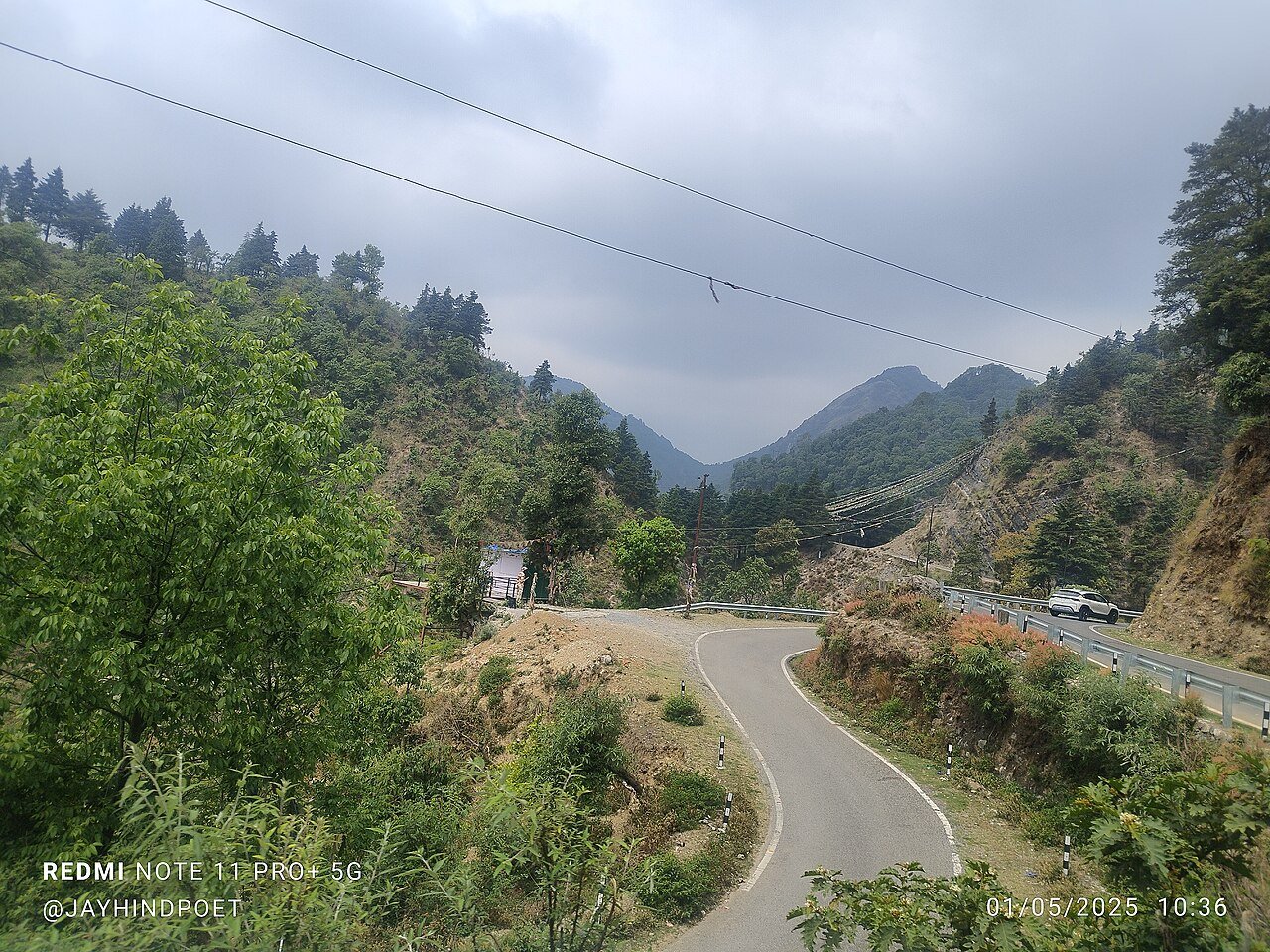
Haridwar Road, particularly the stretch beyond Balawala and into the Doiwala edge, is the affordability play in Dehradun’s rising market. Per-sqft rates here are still between Rs.2,800 and Rs.3,800 for builder flats. For broader market context see our analysis of how the expressway is reshaping Dehradun real estate prices. The pull is the proximity to the upcoming Jolly Grant airport expansion and the Char Dham connectivity benefits. Plot sales in this belt have grown faster than any other corridor in the last 18 months. The downside is infrastructure. Drainage, water supply, and road quality lag the rest of the city, and buyers should factor in another two to four years before basic amenities catch up.
Vasant Vihar and Ballupur: The Old Money Stays Put
Vasant Vihar, Ballupur, and the connected pockets around the Canal Road area have seen steady, lower-volume price growth. These neighbourhoods are full of older bungalows owned by families who are not selling, and the few transactions that do happen go for premium rates. Per-sqyd plot prices in Vasant Vihar sit between Rs.1,10,000 and Rs.1,80,000 depending on the lane and approach width. New apartment supply is limited because the plot owners prefer to redevelop into floor-wise sales rather than full apartment projects. The result is a market with low transaction volume and high per-unit prices.
What Is Driving Rising Property Prices in Dehradun
Four forces are pushing rising property prices in Dehradun. First, the Delhi-Dehradun Expressway has cut effective commute time from the NCR to under three hours, opening up the second-home and weekend-home market in a way that did not exist before. Reports on the expressway’s impact point to a 20 to 30 percent price surge along the connecting corridors. Second, the post-pandemic shift toward smaller cities with cleaner air has held its ground in Dehradun more than in most hill markets. Third, the IT and education sector hiring has built a stable upper-middle-income tenant base that supports rental yields and resale prices. Fourth, restricted plot supply inside the city limits because of the Mussoorie Dehradun Development Authority rules has pushed builders into the corridors above, concentrating demand.
What to Watch Before Buying
Three things to check before you write a cheque in any of these pockets. Title clarity is the first one. A surprising number of plots in the expanding corridors carry old transfer issues from agricultural land conversion, and these surface only at the registration stage. Get a lawyer familiar with Uttarakhand land laws, not a generic property advocate. Second, check the master plan for the corridor. If the road in front of your project is slated for widening, you lose setback area and potentially access. Third, look at the registry data, not the builder brochure. Sub-registrar offices in Dehradun publish transaction values and the gap between brochure rate and registered rate tells you how the project is actually selling.
Rising property prices in Dehradun are real and they are concentrated in specific corridors rather than spread across the city. The buying decision should follow the corridor, not a generic Dehradun thesis, and the timeline matters because each of these pockets is at a different stage of price absorption. For a wider view of the market, see our guide to what first-time buyers miss in Dehradun.



Leave a Reply