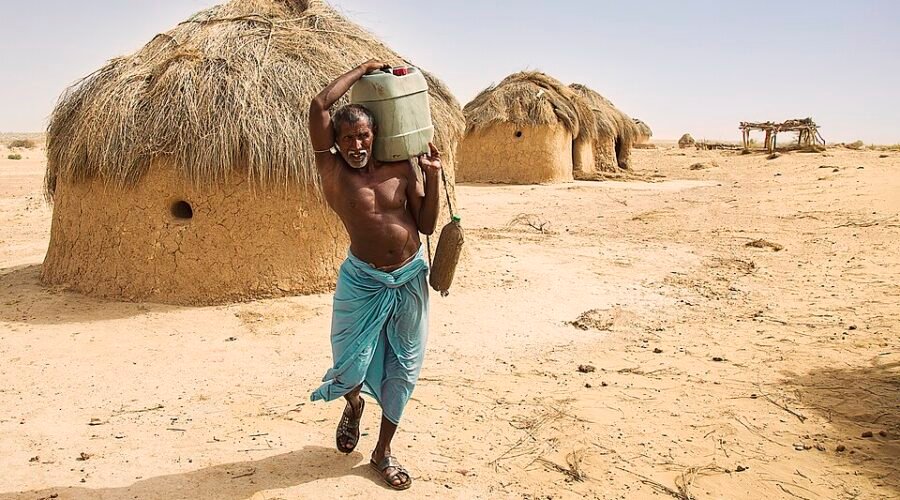
The Dehradun water crisis of summer 2026 is affecting over 120 localities, with residents facing daily shortages as temperatures soar past 38 degrees Celsius.
Over 120 localities across Dehradun are facing water supply disruptions as summer 2026 begins. The city experiences this crisis annually, but this year the problem has arrived earlier and with greater intensity, driven by above-normal April temperatures reaching 38 to 40°C. The Uttarakhand government has set up control rooms in all 13 districts of the state to manage the situation.
Dehradun’s water crisis is not new. The city has struggled with inadequate water supply every summer for years. But the 2026 shortfall is compounded by a growing urban population, declining winter rainfall in the catchment zones, and the surge in tourist footfall following the opening of the Delhi-Dehradun Expressway.
Dehradun Water Shortage 2026: Worst-Affected Areas
| Area | Shortage Level | Daily Supply Hours |
|---|---|---|
| Rajpur Road (upper) | Severe | 2-3 hours |
| Vasant Vihar | Severe | 2-4 hours |
| Sahastradhara Road | Moderate-High | 3-5 hours |
| Raipur Road | High | 3-4 hours |
| Prem Nagar | Moderate | 4-6 hours |
| Haridwar Bypass areas | Moderate | 5-6 hours |
Which Areas Are Affected
According to reports compiled by local authorities, the affected localities span across the older urban core and the newly expanded residential zones on the city’s periphery. Areas dependent on groundwater are hit harder than those served by the Rispana and Song river-fed municipal supply lines, which are themselves under stress due to reduced flow from reduced snowmelt.
Residents in upper-floor apartments and areas with weak municipal pressure report gaps in supply ranging from a few hours per day to complete absence of water for multiple days. Tanker services are running across affected zones, but demand outstrips tanker availability during the worst weeks.
Root Causes
Dehradun’s water problem has several overlapping causes. Declining winter rainfall has reduced recharge in the aquifers that feed the city. Encroachment on traditional water channels and the historic canal network has cut off natural replenishment routes. Rapid urban expansion has increased demand faster than the water infrastructure has scaled.
According to the Garhwal Post’s analysis of Dehradun’s water crisis, the city once had an extensive canal network fed by the Doon Valley’s natural hydrology. Most of that network has been lost to encroachment and development over the past three decades. Restoring it is complex and slow.
What the Government Is Doing
The state government has deployed district-level control rooms with helpline numbers for residents to report supply failures and request tanker services. Jal Nigam officials are coordinating emergency water distribution in the worst-affected areas. The Smart City Dehradun programme has identified water infrastructure as a priority investment, but large-scale upgrades take years to complete.
The helpline numbers for water shortage reporting are published by the municipal water authority and can be accessed via the Jal Nigam Dehradun website. Residents are encouraged to call and log complaints so that tanker deployment is prioritised accurately.
What You Can Do
Residents facing supply gaps should store water during early morning supply windows, which typically run between 5 AM and 8 AM in most zones. Avoid washing vehicles or filling swimming pools during shortage periods. Report supply failures to the control room rather than waiting for self-correction, since the system responds to logged complaints faster than to unreported gaps.
The water crisis in Dehradun is expected to worsen through May before any relief arrives with pre-monsoon showers. Long-term, the city needs watershed restoration, stricter encroachment removal along natural channels, and investment in water recycling infrastructure to break the cycle.
Dealing with the Dehradun Water Crisis
The Dehradun water crisis demands urgent action from both civic authorities and residents. Until infrastructure improves, conservation is key. For more local Dehradun news and guides, visit Hello Doon.


Leave a Reply