The Chardham Yatra Dehradun economy comes alive every April. Something shifts in the city: The pace quickens at ISBT, the dharamshalas fill up, the taxi stands spill over into side roads, and the trek gear shops along Paltan Bazaar run out of walking poles before the month is out. Dehradun is not a Chardham site. But it is the city that makes the Chardham Yatra run.

The Gateway City
Understanding the Chardham Yatra Dehradun economy means tracking where these pilgrims go. The four Chardham shrines, Yamunotri, Gangotri, Kedarnath, and Badrinath, are spread across Uttarakhand’s higher Himalayas, anywhere from 170 to 320 km from Dehradun. Pilgrims arriving from Delhi, Punjab, Rajasthan, Gujarat, and beyond converge on Dehradun before splitting toward their respective routes. The Chardham Yatra Dehradun economy is often understated when compared to Haridwar and Rishikesh. Yet Dehradun ial share of the transit load, particularly for Kedarnath and Badrinath-bound travellers going via the NH-58 and NH-109 corridors.
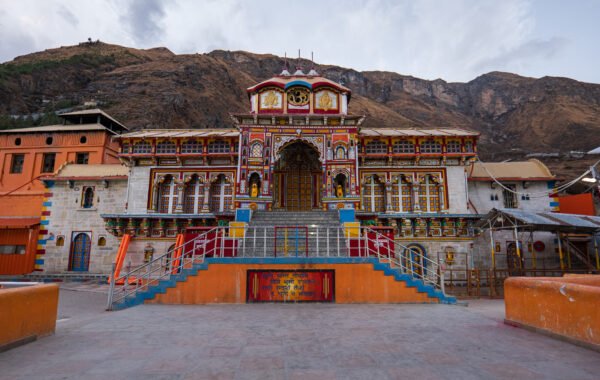
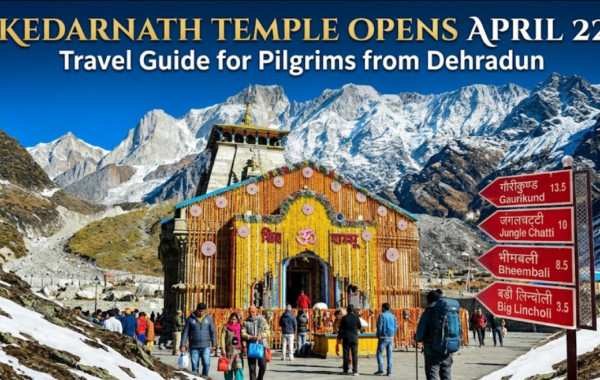
Yamunotri and Gangotri opened on April 19 this year. Kedarnath opened on April 22. Badrinath follows on April 23. The compressed schedule means hundreds of thousands of pilgrims are moving through Uttarakhand simultaneously, and a large share of them pass through Dehradun in the first two weeks of the season.
ISBT: The Engine Room
Dehradun’s Inter-State Bus Terminal on Haridwar Road is, for the duration of April and May, one of the busiest transit hubs in North India. GMOU buses, private operators, and chartered coaches run daily services to Sonprayag (for Kedarnath), Gaurikund, Joshimath, and Badrinath. Operators report that the first two weeks after the Kedarnath opening are typically the peak load period, with buses running double schedules and advance booking filling up within hours.
Porters, ponywallas, and helicopter booking agents who operate at the trail heads often make their advance arrangements in Dehradun. The city functions as the logistics headquarters for the yatra, not just a transit point.
Dharamshalas and Budget Hotels
The Chardham Yatra Dehradun economy particularly benefits the local Dehradun has a significant stock of dharamshalas run by religious trusts from across India. Marwari, Sindhi, Gujarati, and South Indian trusts all operate dharamshalas within the city, offering accommodation to pilgrims at nominal or no cost. During the Chardham season, these fill up within days of the shrines opening. Budget hotels in the Paltan Bazaar and Haridwar Road corridors similarly report occupancy rates above 85 percent through April and May.
The Pilgrimage Economy: Who Earns What
| Sector | Approximate Seasonal Volume | Notes |
|---|---|---|
| Pilgrims transiting Dehradun | 3 to 5 lakh (estimated, April-June) | Includes day-stop and overnight stays |
| Taxi and cab operators | 4,000 to 6,000 active vehicles | Includes shared cabs to Rishikesh, Haridwar, Sonprayag |
| GMOU bus routes to shrines | 20 to 30 daily departures at peak | Supplemented by private operators |
| Dharamshalas capacity | Estimated 8,000 to 12,000 beds city-wide | Run by religious trusts, often free or subsidised |
| Trek gear and prasad markets | Seasonal turnover in tens of crores | Paltan Bazaar, Clock Tower, Gandhi Road |
Markets That Come Alive
The markets around Paltan Bazaar and the Clock Tower area undergo a seasonal transformation from April. Shops that sell warm clothing, woollen socks, rain ponchos, walking sticks, and lightweight backpacks do the bulk of their annual business in the six weeks after the shrines open. Dry fruit and prasad shops see a surge in bulk purchases. Pilgrims buying supplies in Dehradun before heading to the hills are a reliable source of income for a wide range of traders.
Medical shops along the yatra route corridors also report increased demand for altitude sickness tablets, pain relief, and basic first aid supplies. Dehradun being the last significant city before the hills, many pilgrims stock up here.
The Taxi Operators
Dehradun’s taxi and cab operators are among the biggest direct beneficiaries of the Chardham season. Fixed-rate runs to Rishikesh, Haridwar, Sonprayag, and Joshimath are in constant demand. Drivers who normally do airport and city runs switch to pilgrimage routes. Shared taxis operating on the Dehradun-Rishikesh-Haridwar corridor run at capacity for weeks at a stretch. For many operators, the yatra season accounts for 30 to 40 percent of annual income.
For more on Kedarnath and Tungnath opening this season, read our complete pilgrim guide for 2026. If you are planning to attend any of the opening ceremonies or festivals this month, our Dehradun events calendar has upcoming listings.
Final Thought
The Chardham Yatra Dehradun economy is a story rarely told in full. The Chardham Yatra is one of the largest annual pilgrimages in the world, and Dehradun’s role in it rarely gets the attention it deserves. The city is not a destination on the pilgrim circuit. It is the logistics hub, the last comfortable night, the place where the flask gets filled and the warm jacket gets bought. That is not a minor role. For a city of Dehradun’s size, the Chardham season is one of the most significant economic events of the year, and understanding it is essential to understanding how the city actually works.


Leave a Reply