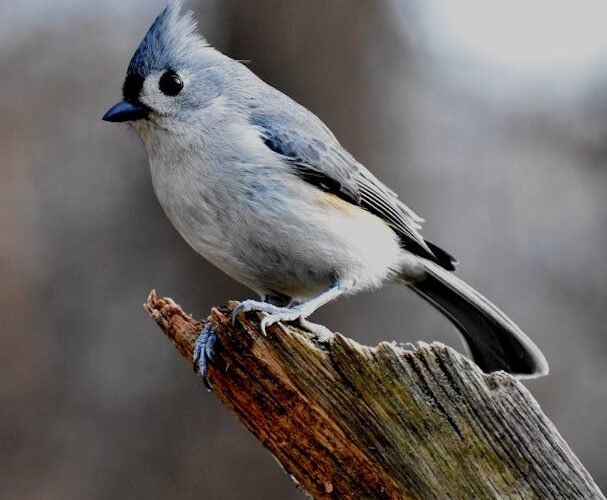
Asan Barrage birdwatching is one of the best-kept nature experiences in Uttarakhand. Located 45 km from Dehradun on the Yamuna-Tons confluence, the wetland covers 444 hectares and has recorded over 330 bird species, including 40 migratory species that arrive between October and March. If you care about birding, this is the closest world-class birding spot to Dehradun.
The Asan Conservation Reserve was notified in 2005 as Uttarakhand’s first conservation reserve. The still backwater behind the barrage creates ideal conditions for waterfowl. Unlike Bharatpur or Sultanpur, Asan remains largely uncrowded even in peak migration months, which means better sightings and no crowds fighting for the best angle.
Asan Barrage: Key Facts
| Detail | Information |
|---|---|
| Location | Dehradun district, Uttarakhand (NH-72, 45 km from city) |
| Water Body | Asan Conservation Reserve (confluence of Yamuna and Tons rivers) |
| Area | 444 hectares |
| Bird Species Recorded | 330+ |
| Migratory Species | 40+ (October to March) |
| Best Months to Visit | October to March (peak migration) |
| Entry | Free (no ticketed entry) |
| Nearest Town | Vikasnagar (15 km) |
What Makes Asan Barrage a Birdwatching Destination
The Asan Conservation Reserve was notified in 2005, making it the first conservation reserve in Uttarakhand. The still water behind the barrage creates ideal feeding and resting conditions for waterfowl. You will find Bar-headed Geese, Ruddy Shelducks, Common Teals, Mallards, and several species of cormorant at the same spot in winter. The eBird India database lists Asan as one of the top 10 birding hotspots in Uttarakhand by species count.
Birds You Can Expect to See (Month by Month)
| Month | Notable Species | Visitor Type |
|---|---|---|
| October to November | Bar-headed Goose, Ruddy Shelduck, Northern Pintail | Early migrants |
| December to January | Common Merganser, Red-crested Pochard, Great Cormorant | Peak migration |
| February to March | Pied Kingfisher, River Lapwing, Brahminy Duck | Late migrants departing |
| April to September | Indian Cormorant, Little Egret, Black-crowned Night Heron | Resident species year-round |
How to Reach Asan Barrage from Dehradun
Take NH-72 (Dehradun to Haridwar road) and turn towards Vikasnagar. The barrage is about 45 km from Dehradun and the drive takes 60 to 75 minutes. There is no direct bus service to the observation point, so a private vehicle or taxi is the practical option. The best viewing time is early morning between 6 AM and 9 AM when the light is right and bird activity is highest.
| Route Option | Distance | Time | Notes |
|---|---|---|---|
| Dehradun via NH-72 | 45 km | 60-75 min | Main route, well paved |
| Haridwar via Vikasnagar | 55 km | 80-90 min | Scenic river road |
| Mussoorie via Kalsi | 38 km | 55-65 min | Hill road, narrower |
Conservation Status and Threats
The Asan Conservation Reserve is protected under the Wildlife Protection Act 1972. However, fishing activity and sand mining upstream create pressure on the habitat. The BirdLife International India profile identifies Asan as an Important Bird Area (IBA). Conservationists have flagged that pollution from Yamuna tributaries is reducing fish stock, which in turn affects piscivorous birds like cormorants and mergansers.
If you plan a trip, combine it with a visit to Kalsi (15 km away), where you can see an Ashokan rock edict. See more things to do around Dehradun to plan a full day out. For accommodation closest to the barrage, check Dehradun hotels that offer nature-oriented stays.
Final Thought
Asan Barrage birdwatching deserves far more attention than it gets. Most birders in northern India default to Bharatpur or Harike, but Asan gives you 330+ species, zero crowds, and a 45-minute drive from Dehradun. If you have a pair of binoculars and a free morning, this is where you should be between October and March. Go early, go quiet, and bring a field guide for Himalayan waterbirds. You will not be disappointed.

Leave a Reply