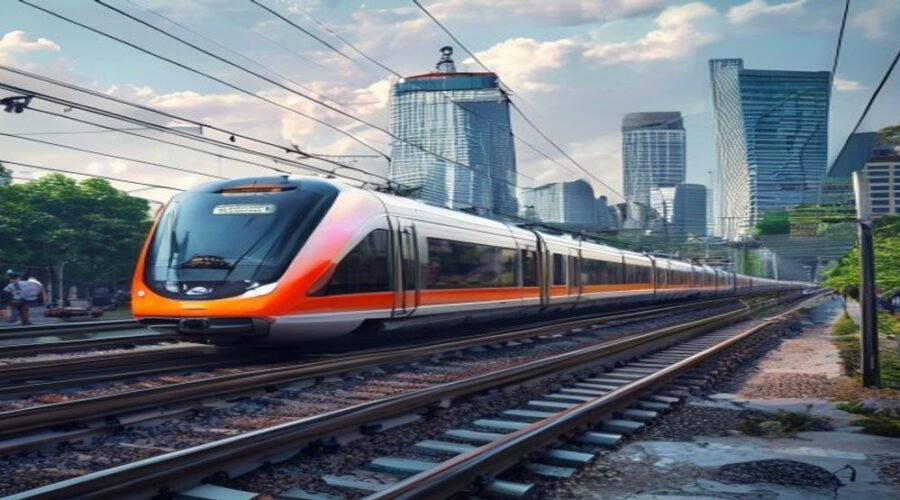
The Uttarakhand Metro Rail project is the most significant urban transport investment the state has ever proposed. The project, officially named the Uttarakhand Metro Rail Corporation (UKMRC) initiative, plans a light metro network connecting Dehradun, Haridwar, and Rishikesh. The Dehradun Metro corridor alone is 28.17 km long with 22 stations. As of early 2026, the project is in the detailed project report and funding clearance stage. No civil work has started.
Uttarakhand Metro Rail: Project Overview
| Parameter | Details |
|---|---|
| Project Name | Uttarakhand Metro Rail (UKMRC) |
| Corridors | Dehradun (28.17 km), Haridwar-Rishikesh (12 km proposed) |
| Stations (Dehradun) | 22 stations |
| Type | Light Metro (similar to Lucknow Metro) |
| Current Status | DPR approval stage, no civil work started (as of 2026) |
| Estimated Cost | Rs 5,932 crore (Dehradun corridor) |
| Funding Model | Central and state government joint (50:50) |
| Target Completion | No confirmed date |
Dehradun Metro: Proposed Stations and Route
The Dehradun Metro corridor runs roughly from IT Park in the north to ISBT in the south, passing through Rispana, Ballupur, Clock Tower, and the Railway Station. The route covers the highest-density commuter corridors in the city. According to UKMRC, the Dehradun corridor is prioritised over the Haridwar-Rishikesh stretch for the first phase of development.
| Zone | Key Stations | Significance |
|---|---|---|
| North | IT Park, Sahastradhara Road | Tech and residential hub |
| Central | Clock Tower, Paltan Bazaar, Railway Station | Commercial and transit core |
| South | ISBT, Rispana Bridge | Bus terminal and intercity link |
Why the Uttarakhand Metro Rail Has Stalled
The Uttarakhand Metro Rail project was first proposed in 2018. Eight years later, it remains in the pre-construction phase. Three factors explain the delay. First, funding clearance from the central government requires alignment with the Metro Rail Policy 2017, which mandates a minimum ridership projection and financial viability assessment. Dehradun’s current public transport base is weak, making ridership projections harder to validate. Second, land acquisition along the proposed elevated corridor is contested in several stretches. Third, the state government has prioritised Smart Cities Mission road projects over transit investment in its annual budget allocations. The result is a city that continues to add vehicles while the metro stays on paper. For broader context on Dehradun’s transport problems, read our analysis of why Dehradun’s public transport keeps failing and follow our city news coverage for updates.
Haridwar-Rishikesh Corridor: What Is Planned
The Haridwar-Rishikesh Metro corridor is approximately 12 km long and would connect the two pilgrimage cities, which currently share a congested highway with no dedicated public transit. During Char Dham season, traffic on this corridor becomes a safety issue. A light metro connection would reduce pilgrimage congestion and provide a reliable option for the roughly 50 lakh annual visitors to both destinations. The UKMRC has engaged with the National Highways Authority of India and Uttarakhand Tourism Development Board on alignment, but no DPR has been approved for this corridor.
Final Thought
The Uttarakhand Metro Rail project is overdue and underfunded. Dehradun’s congestion has worsened every year since the metro was first proposed. The technical and financial case for the project is solid. What is missing is political urgency and faster central clearance. If construction begins in 2026 or 2027, the Dehradun corridor realistically opens no earlier than 2030 to 2031. That is four to five more years of the city absorbing private vehicle growth with no structural transit alternative. Watch the UKMRC website and state budget announcements for the first real signal that this project is moving.




Leave a Reply