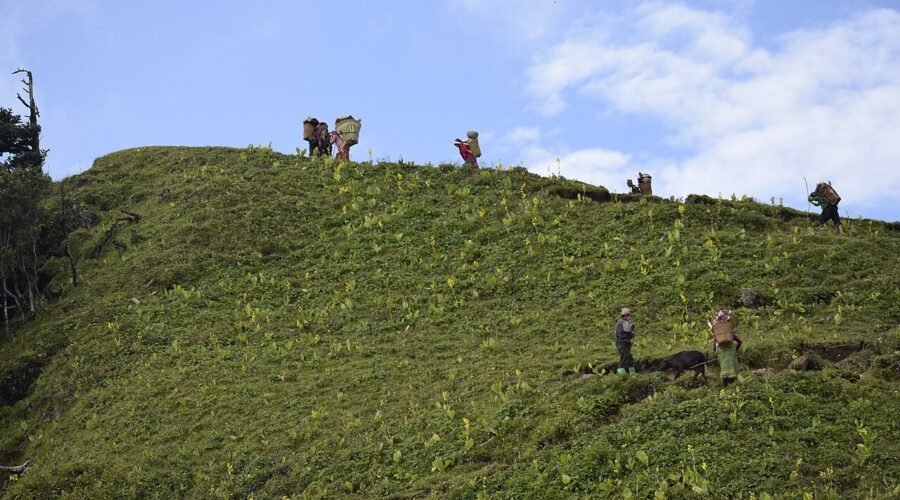
The best treks near Dehradun offer beginners a perfect introduction to Himalayan trekking. From short day hikes to multi-day trails, treks near Dehradun cater to all fitness levels.
Best Beginner Treks Near Dehradun
| Trek | Distance | Max Altitude | Difficulty | Best Season |
|---|---|---|---|---|
| George Everest Trek | 8 km | 2,000 m | Easy | Year-round |
| Nag Tibba | 16 km | 3,022 m | Easy-Moderate | Oct-May |
| Har Ki Dun | 50 km | 3,566 m | Moderate | May-June, Sep-Oct |
| Chandrashila | 15 km | 4,000 m | Moderate | Feb-June, Sep-Nov |
| Kedarkantha | 20 km | 3,810 m | Easy-Moderate | Dec-Apr |
| Benog Wildlife Sanctuary | 5 km | 2,103 m | Easy | Sep-Mar |
Why Dehradun Works as a Trekking Base
Dehradun sits at approximately 640 metres above sea level, surrounded by the lower Himalayan belt. Within a two-hour drive in almost any direction, the terrain rises through forest, ridgeline, and alpine meadow. The altitude range accessible from the city, from about 1,000 metres to 3,000 metres, is precisely the range in which beginner trekkers learn how their bodies respond to elevation without needing the acclimatisation protocol required for higher Himalayan routes.
The six options below cover day hikes, a half-day walk, and one overnight trail. None require technical climbing skills. All are accessible from Dehradun without a private vehicle if you are prepared to use shared transport to the trailhead.
George Everest Peak
The George Everest Peak trek is one of the shortest and most accessible walks in the region. The trail covers 2.5 kilometres, starts from Hathipaon Chowk near Mussoorie, and sits 4 to 5 kilometres from Mussoorie town. The full walk, including return, takes two to three hours at a comfortable pace and requires no prior trekking experience.
Sir George Everest was the Surveyor General of India responsible for early surveys of the Himalayan range, and his estate on the ridge is named after him. The viewpoint at the top offers clear lines of sight across the Doon Valley below and, on clear days, a series of snow-covered peaks to the north. The path is graded and manageable for people in reasonable physical condition who do not regularly exercise. The estate is a protected structure and entry requires a small fee.
Jharipani â The Kipling Hike
The Jharipani trail, sometimes called the Kipling Hike, runs 6 to 7 kilometres and takes approximately 3 hours to complete. It is a one-day walk starting from Mussoorie, following a route through dense oak and rhododendron forest down toward Jharipani village. The trail passes through a stretch of forest associated with the era when Rudyard Kipling travelled through the region.
The difficulty is low to moderate. The path is mostly shaded, which makes it more comfortable in warmer months than exposed ridge walks. This is a good option for a first half-day forest walk. The descent is steady rather than sharp, and the forest cover is dense enough to make the walk interesting even if the views are limited compared to open ridge treks.
Surkanda Devi
The Surkanda Devi trek starts from either Dhanaulti or Kaddukhal, both roughly 60 kilometres from Dehradun. The trail to the Surkanda Devi temple covers 2.5 kilometres. The climb is steep in sections but short enough for most beginners to complete in under two hours.
The temple at the summit is a significant pilgrimage site. The walk attracts both trekkers and religious visitors, and the combination makes for a lively trail on weekends. The summit views cover the Kedarnath range and the Gangetic plains on clear days in winter. India Hikes has documented this trail in detail, including the best approach from Dehradun via Mussoorie or the direct route through Dhanaulti.
Nag Tibba â The Standard First Overnight Trek
Nag Tibba is the most consistently recommended first overnight Himalayan trek for someone based in Dehradun. The summit stands at 3,000 metres (9,900 feet) above sea level. The base village, Pantwari, is 90 kilometres from Dehradun and takes three to four hours to reach. The full trail covers 14.5 to 16 kilometres depending on the route.
The trek runs over two days with five to six hours of walking each day. The ascent is gradual rather than sharp, which reduces the physical shock for people whose daily terrain is flat. Trek operators list the age range for this route as 11 to 62 years, and the difficulty rating is moderate. The winter months from December through February deliver the best summit views and the probability of snow on the trail. Monsoon season, June through September, makes the forest dense and green but the path wet underfoot and demands proper trekking shoes rather than casual trainers.
Several organised operators run Nag Tibba departures year-round. India Hikes and Himtrek are among the better-known. Prices start at ₹2,599 per person with most packages including camping equipment, all meals, a trek guide, and support staff. Booking ahead during peak season (October to December) is essential because batch sizes fill up two to three weeks in advance.
Benog Hill
Benog Hill, also called Benog Tibba, is a full-day trek near Mussoorie. The trail passes through the Benog Wildlife Sanctuary and is good for beginners, older adults, children, and amateur nature photographers. The sanctuary is one of the few protected forest areas close to a Mussoorie-area hill station and is known for consistent sightings of the Cheer Pheasant, a Himalayan bird listed as vulnerable by the IUCN.
The walk is gentle. The approach from the Mussoorie library end takes about two hours each way. The forest is dense enough to make the walk worthwhile even on cloudy days when the distant mountain views are blocked. Move at a slow, quiet pace and the birdlife rewards the patience.
Lal Tibba
Lal Tibba is the highest point in Mussoorie at approximately 2,275 metres. The walk begins from the Library end of town and reaches the summit in under an hour. A telescope installed at the top gives a view, on clear days, of Kedarnath, Badrinath, Bandarpunch, and the Gangotri range.
This is a walk more than a trek. It is the right choice for someone who wants to understand how altitude feels before committing to a longer route.
What to Pack and What to Expect
For any of these walks, the baseline packing list is: at least one litre of water per hour of walking, a light windproof layer regardless of the season, walking shoes with ankle support (not sandals or canvas shoes), sunscreen, a torch with fresh batteries for anything that might run close to dark, and a small first aid kit including blister plasters.
None of these trails require technical gear. For Nag Tibba, a sleeping bag rated to minus five degrees handles most weather conditions. For the day walks, minimal gear is needed. The most common complaint on all of these trails is blistered feet. They are entirely preventable with broken-in shoes and a pair of wool or synthetic socks.
If you have two days free in Dehradun, Nag Tibba is the single best trek to do. If you have one day, the George Everest Peak walk delivers satisfying views with minimal planning time. Carry water, start before 9 AM, and wear shoes with a grip.
Start Your Adventure: Treks Near Dehradun
There is no shortage of treks near Dehradun for beginners, and each one rewards you with stunning views and mountain air. For more outdoor and travel guides in the region, visit Hello Doon.

Leave a Reply