The story most people miss about Dehradun is that the city’s green cover is not held up by city officials or NGOs alone. A network of retired foresters in the Doon Valley, trained at the Forest Research Institute decades ago, are the people who have, between them, put more trees into the ground than any tree-planting campaign you have read about. One of them, an FRI-trained officer who retired from the Uttarakhand forest service in the early 2000s and has stayed in Dehradun, has crossed 10,000 trees planted on his own initiative across the valley. This is what that work looks like up close.

The Forester and the Forest
He spent 35 years in the Uttarakhand forest department, posted across the Doon, Kumaon, and Garhwal divisions. The work that defined his career was not glamorous, it was nursery planning, species selection, and the slow business of getting saplings through their first three monsoons without losing half the cohort. After retirement, he kept a small house on the edge of the city, took up plantation as a personal project, and has never charged a rupee for the work.
The 10,000 trees number is conservative. He keeps a register, year by year, and the count includes survivors only, not the saplings that did not make it. The trees are spread across school grounds, riverbeds along the Rispana and Bindal, panchayat land outside the MDDA limit, and a handful of private orchards where owners gave permission. He plants in the post-monsoon window, August to early October, when the soil holds water and saplings have a clean shot at root before the dry season.
Why He Says the Numbers Matter Less Than the Species
Ask him about his work and he will redirect to the species list. The mistake he watched the state make for years was planting whichever sapling the nursery had in volume, often eucalyptus and quick-growing exotics that look good in photographs and do little for the soil or the local birds. His rule on his own plantations is native first. Sal, sain, semal, jamun, kachnar, bahera, and harar go in before any imported species. Litchi and mango where the soil supports it. The point, he says, is that a 10,000 tree count of the wrong species is worth less than a 2,000 count of the right ones.
The Method
His method is unfussy. He works alone or with one or two helpers from the village he is planting in. Holes are dug 18 to 24 inches deep, depending on species. The sapling goes in with a small mound of leaf compost, watered for the first three weeks, and then left alone. He does not put up nameplates. He does not photograph the work. The only record is his ledger, and the only follow-up is a return visit in March of the next year to see how many made it through their first dry season.
The survival rate he tracks is around 70 to 75 percent on village land and slightly lower on river bank plantations, where livestock and floods take a toll. The state’s own afforestation drives, by comparison, often record survival rates below 50 percent in independent audits. According to field reports on Dehradun afforestation, the gap is consistent and well documented.

The Loss He Watched Up Close
The forest department’s own data shows Uttarakhand has lost over 50,000 hectares of forest in the last twenty years, with Dehradun district accounting for 21,303 hectares of that loss, the highest in the state. He watched a lot of it from inside the system. Roads, hydropower, urban expansion, and the slow drift of green-belt protections each took a slice. The frustration that drove him into post-retirement plantation work was simple, the institution he gave 35 years to was not going to fix the loss alone, and he had time and a working pair of hands.
What He Says Other Residents Should Do
His advice for Dehradun residents is short. If you have a backyard, plant a native fruit or shade tree, not an ornamental. If your colony has unused public land, push the RWA to plant rather than cement. If you have time on weekends, three saplings a month for a year is 36 trees, more than most paid plantation drives manage per crore spent. He is not on social media. He does not run an organisation. He answers his phone and shows up if a school or a panchayat asks for help with species selection.
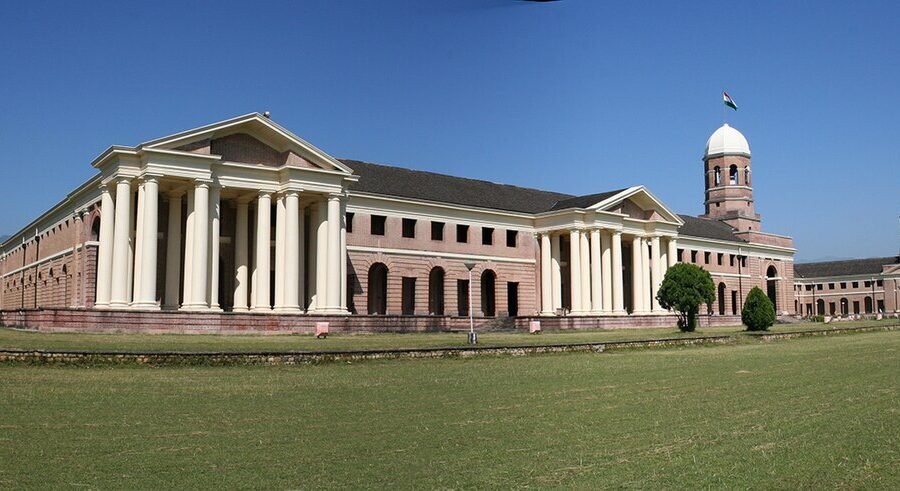
For background on the institution that shaped his thinking, read about the craft traditions Dehradun is losing, a different but related story of slow disappearance. The Forest Research Institute in Dehradun, where he was trained in the late 1960s, still does some of the country’s best forestry research. The link between the institute and people like him is the reason this city has the green cover it still has.
The Practical Takeaway
The retired forester who has planted over 10,000 trees in the Doon Valley is not a single famous figure, he is part of a quiet bench of people who do the work after a career inside the system. The lesson Dehradun should take from him is not gratitude alone. It is method. Native species, post-monsoon planting, simple ledgers, and follow up. Done at any scale by enough residents, that is the only thing that will hold what is left of the valley’s green cover.



Leave a Reply