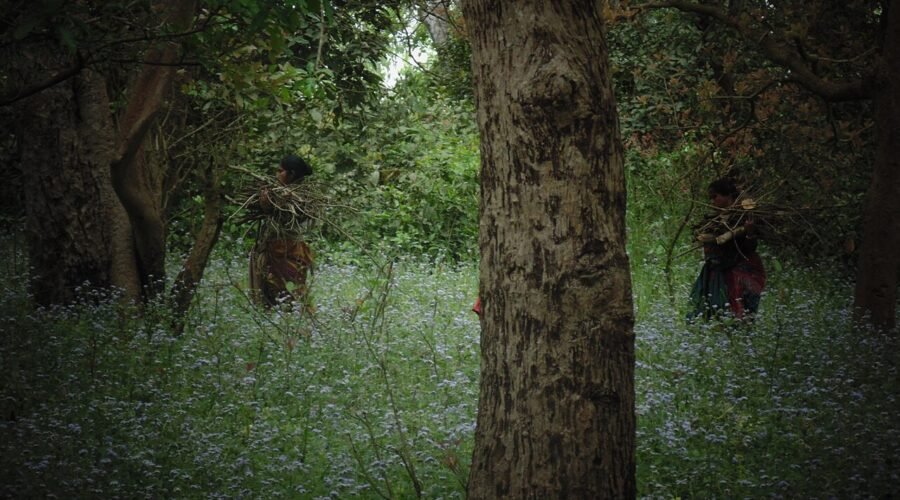
Rajaji National Park is home to Asia’s longest wildlife corridor, made possible by the Delhi-Dehradun Expressway’s innovative design. Here is everything you need to know about this landmark conservation effort.
The Delhi-Dehradun Expressway, inaugurated on April 14, 2026, carries within it a feature that sets it apart from any highway in India: a 12-kilometre elevated section designed entirely around the movement of wildlife through Rajaji National Park. This corridor is the longest elevated wildlife crossing in Asia, and it came into operation the moment the road opened to traffic.
The elevated structure runs on single-pier supports carrying a 25-metre-wide road surface, allowing the forest floor beneath to function as an uninterrupted wildlife passage. Before the road opened, camera traps captured images of 18 wild species already using the space below the elevated deck during the construction phase.
Delhi-Dehradun Expressway: Wildlife Protection Features
| Feature | Specification |
|---|---|
| Elevated section through forest | 12 km near Rajaji buffer zone |
| Wildlife underpasses | Multiple tunnels for safe elephant crossing |
| Rajaji National Park area | 820 sq km (Tiger Reserve since 2015) |
| Key species protected | Asian elephant, tiger, leopard, spotted deer |
| Shivalik corridor link | Part of 340 km Corbett-Rajaji elephant corridor |
| Speed limit in forest zone | 60 km/h (wildlife advisory) |
How the Corridor Is Designed
The 12-km elevated stretch sits above the forest canopy through the core sections of Rajaji National Park. The supporting piers are spaced to minimise ground footprint, and the structure is set high enough to allow large animals including elephants to move underneath without restriction.
Two dedicated elephant underpasses, each 200 metres long, are built into the corridor to channel elephant herds safely beneath the expressway at key crossing points. Sound barriers line the elevated sections to reduce noise pollution from highway traffic reaching the forest below. CivilMantra ConsAi Ltd. played a key design role in engineering the elevated corridor’s structure.
Wildlife Monitoring Programme
The Uttarakhand forest department has deployed 245 camera traps along the 12-km corridor to run a one-year animal movement study. The study aims to document which species use the underpasses and open passage areas, at what frequency, and during which hours. This data will form the baseline for planning future infrastructure projects through forested areas in Uttarakhand.
A dedicated data analysis team has been formed to process the camera trap footage. Early imagery from the construction phase already showed leopards, deer, elephants, and multiple smaller mammal species using the area beneath the structure.
Rajaji National Park: What You Should Know
Rajaji National Park covers approximately 820 square kilometres across Dehradun, Haridwar, and Pauri Garhwal districts. It is home to over 400 bird species and significant populations of elephants, tigers, leopards, and spotted deer. The park lies directly on the Delhi-Dehradun road, which previously forced wildlife to navigate a surface highway — a major cause of roadkill and habitat fragmentation.
The expressway’s elevated design represents a structural solution to that problem. India TV News notes that this is only the second national highway in India to incorporate a dedicated wildlife protection corridor, after NH-44 in the Northeast.
Implications for Future Projects
The Rajaji corridor sets a design precedent for highway projects through ecologically sensitive areas. The forest department’s one-year study will generate the first detailed dataset on how elevated expressways affect animal movement in a north Indian forest context. Results from the study are expected in 2027 and will be used to evaluate whether the corridor is achieving its intended conservation outcomes.
Visit Rajaji National Park
Rajaji National Park safaris from Dehradun are a must for wildlife lovers. Book your trip and explore this extraordinary natural habitat. For more on Dehradun, visit Hello Doon and read our Dehradun education guide.

Leave a Reply